Scientific analysis of the distinct eating habits of two societies in northern Peru 6,000 years ago has allowed a team of Vanderbilt researchers to draw new conclusions about how complex sociopolitical structures took shape in ancient Andean societies.听听
The article, 鈥淓arly specialized maritime and maize economies on the north coast of Peru鈥� was听听in听the journal听Proceedings of the National Academy of Sciences听on Dec. 7.听



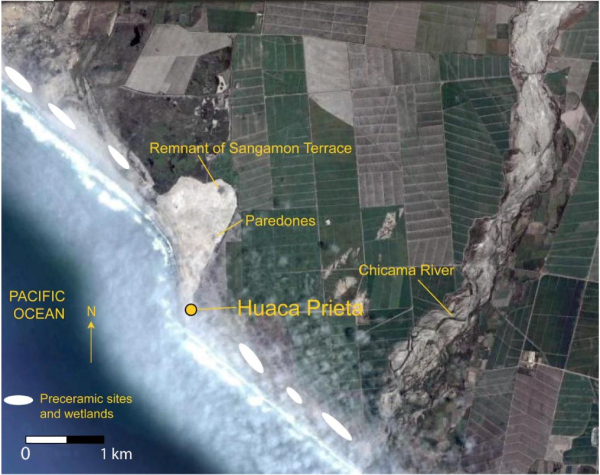
The researchers investigated food consumption of the Huaca Prieta and听Paredones听peoples, two neighboring groups who lived less than half a mile apart. Participating were听, associate professor of anthropology,听, associate professor of biological sciences and earth and environmental sciences and听, senior research professor and University Distinguished Professor of anthropology and religion and culture emeritus and Rebeca Webb Wilson University Chair Emeritus.听
Using carbon and nitrogen isotope ratios from dentin collagen鈥攃alcified tissue that is one of the four major components of teeth鈥攁nd stable carbon isotope ratios from enamel carbonates of 21 individuals at Huaca Prieta and nine individuals from听Paredones, the team concluded that the groups had distinct diets despite their proximity.听听
People at Huaca Prieta, less than 100 meters from the shoreline, consumed a marine-based diet. Living 400 meters inland, individuals at听Paredones听ate a more agricultural diet that consisted mostly of meat and maize. The differences in diet confirm that they engaged in distinct subsistence practices, and that there was cooperation and exchange between these groups.听听
鈥淭he stable isotope data from teeth, which tell us about childhood diet and weaning practices, clarify that there were distinct foodways at these neighboring sites. These differences result from and reflect social and political distinctions of these two different groups,鈥� Tung said. 鈥淒ifferences in food production, distribution and consumption generated opportunities for exchange, an interaction that bound them together in mutual benefit.鈥�听听
The combined data from the researchers鈥� dental microwear and stable isotope analyses further reveals that there were economic and occupational specialties between and among communities. 鈥淭here are clear differences in diet between individuals at Huaca听Prieta听and听Paredones, both between adults and children. Stable isotopes clarify what individuals ate as children, clearly demonstrating marine and maize consumption, respectively,鈥� DeSantis said. 鈥淪imilarly, as adults,听Paredones听individuals ate foods with more abrasives than individuals from Huaca听Prieta,听likely due to increased abrasives from the processing of maize on grinding stones. These data definitely document foods consumed by ancient Peruvians, with important and broad implications for understanding sociopolitical systems.鈥澨�听
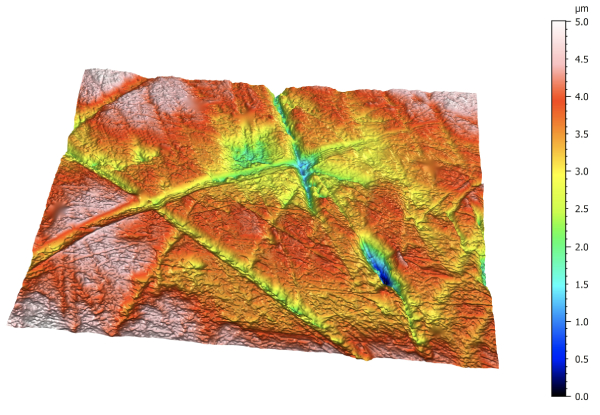
The researchers posit that over hundreds of years, each society听grew its expertise听in the seasonal availability and patterns of their food sources.听With this expertise, people honed听the technologies they worked with, like fishhooks and blades, to process their food.听This economic specialization and solidification of communal roles worked hand in hand with maturing sociopolitical structures and complexity between the听Pardeones听and Huaca听Prieta,听Dillehay听explained. 鈥淲e know that communities听matured听and operated with distinct structures by looking听to听community identity markers,鈥� he added. 鈥淪ymbols, carvings and weaving techniques are听the听telltale signs of social differentiation听that we know of.听Scientific confirmation through dental microwear texture data further clarifies our understanding of these early societies.鈥�听听
This collaborative work would not have been possible without each researcher鈥檚 efforts and contributions, DeSantis explained. Dillehay鈥檚 groundwork and excavations at sites in Peru laid the crucial foundation for this research. DeSantis contributed her expert analysis of isotope and microwear data. Tung鈥檚 expertise as a听bioarchaeologist听analyzing human skeletons from diverse regions in Peru, and her lab鈥檚 focus on stable isotope analysis, provided essential theoretical and thematic context. In addition to illuminating how society formed in this region, the researchers are keen to see more isotopic and dental microwear texture data analysis that reveals actual food consumption of a people in the exploration of ancient political economies.听听
The research was supported by the National Science Foundation grant EAR1053839, the National Geographic Society, the Rebecca Webb Wilson family, a Vanderbilt University Discovery Grant and a Vanderbilt University Research 1220 Scholar Grant.听听