One of the largest obstacles for patients seeking effective substance abuse treatment is a lack of transportation to treatment facilities. Vanderbilt University researcher ,听associate professor of civil and environmental engineering,听is working on a project to help clear those roadblocks.听听
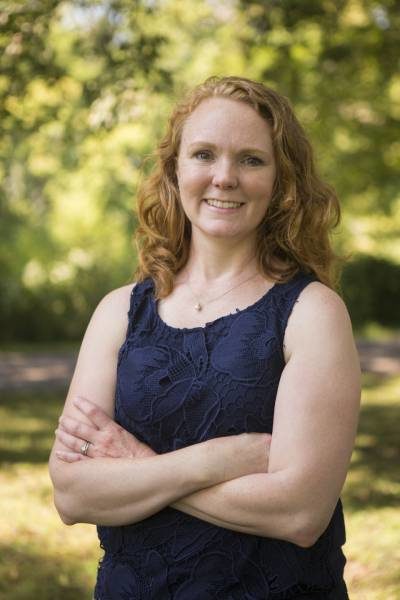
Camp is leading an 18-month, in-depth analysis of transportation investment opportunities that could help stem the opioid epidemic across Tennessee. The project is funded by the Tennessee Department of Transportation.听听听听
Tennessee has the听-highest opioid prescription rate in the nation, and overdose deaths involving opioids in the state have been rising for more than a decade. Densely populated cities may offer the most transportation options to residents, but even so, public transit options are still no guarantee to accessible treatment. Camp explains that when applying this logic to rural areas鈥攚hich comprise nearly 听of Tennessee鈥攊t is easy to understand the challenge of limited transportation options.听听
鈥淥ne of the most interesting pieces of the study for me will be when we review statewide data of substance abuse cases and different transportation options in those areas to see how travel time and cost, modes of transport and location of treatment facilities intersect,鈥� Camp said. She is collaborating on the research with听, professor of industrial and operations engineering at the University of Michigan, to assess currently available transportation and treatment options.听
They will use the data to model a variety of scenarios that show how people can get to treatment听facilities with improved transit options. From these models and other assessments, the researchers will prioritize the transit options鈥攑ublic transit, on-demand services such as ridesharing, and infrastructure鈥攖hat contribute most to mitigating the opioid epidemic.听听听
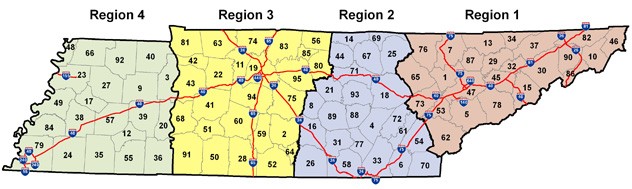
Amid the COVID pandemic, the researchers are also weighing how remote options like telehealth services are circumventing some issues related to transportation. People in recovery cannot rely solely on remote options, Camp explained, since many are required to submit biological samples on a regular basis. In addition, data suggests that听low income or rural patients听may not have access to the technology or health care required to take advantage of telemedicine options.听听听听
鈥淲e hope this project will help to make it easier for those in need of treatment to obtain the care they need and complete their treatment programs through innovative approaches to helping people gain access to treatment,鈥澨�Guikema听said.听听
Camp sees this project as a basis for new transportation design and implementation in Tennessee and other regions or states.听听
鈥淕rowing up in rural Tennessee, I have seen firsthand the challenges that result from lack of access to transportation and am looking forward to finding opportunities for change,鈥� Camp said.听听听
Camp and听骋耻颈办别尘补鈥檚听research team includes:听
- , collaborator (VU)听
- , post-doctoral researcher (VU)听
- , graduate student researcher (U of听Mich)听
- Dahyun听(Claire) Kim, undergraduate research assistant (VU)听
- Carson Crocker, undergraduate research assistant (VU)听