By Aran Sullivan听
THE IDEA听
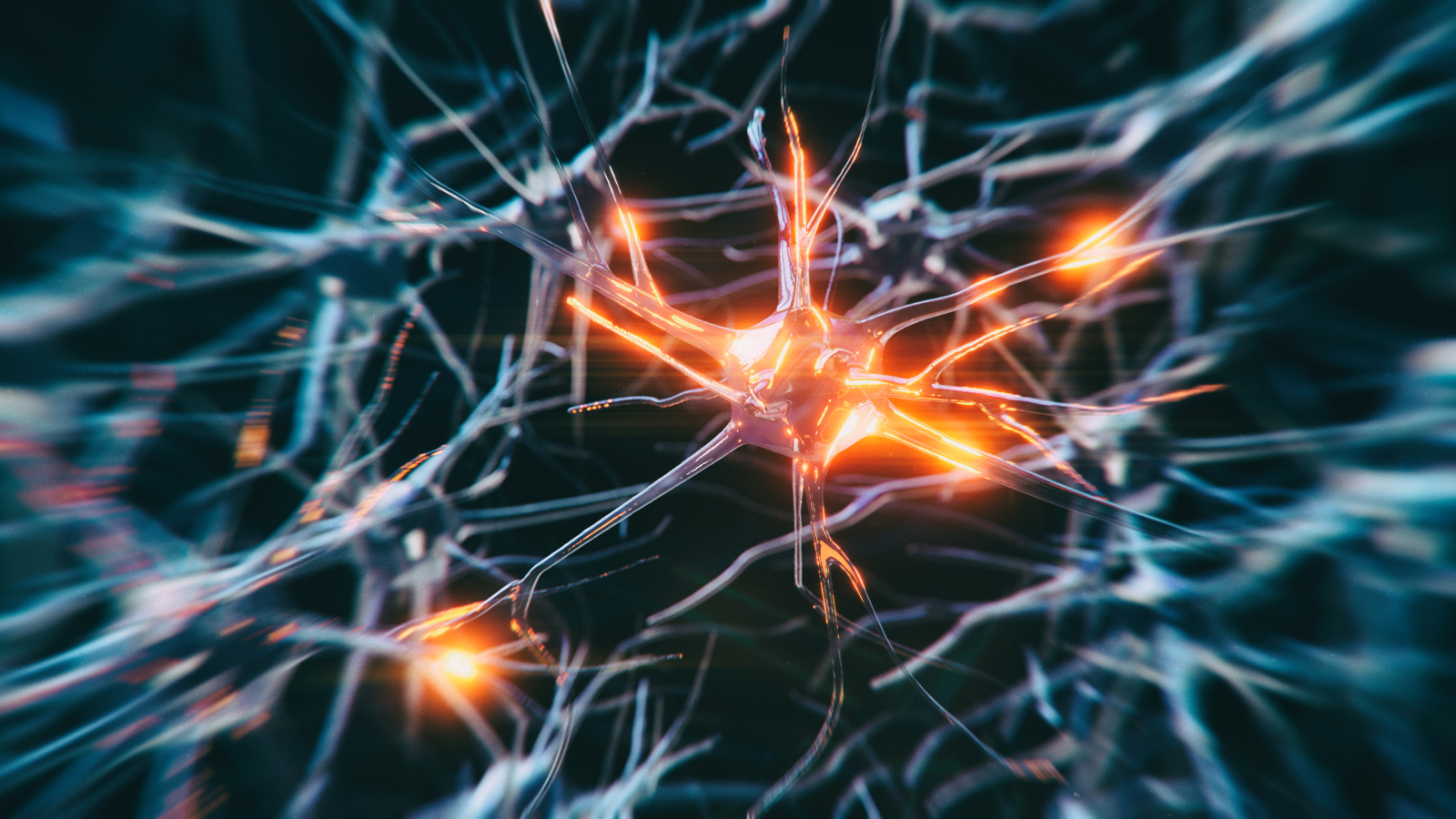
The brain is constantly firing and controlling purposeful action potentials鈥攅lectronic messages used by neurons to communicate with each other and allow the brain to function.听Conversely, the听way听spontaneous neural communication happens in the brain听听to make听use of听a different process.听, William Stokes Chair in Experimental Therapeutics and chair of pharmacology, and postdoctoral researcher听Baris听Alten听worked with听,听Aileen M. Lange and Annie Mary Lyle Chair of Cardiovascular Research and professor of pharmacology, to discover听the mechanism of one of the听modulation pathways听involved in听spontaneous signaling, which has therapeutic potential for several neurological diseases.听
The听researchers听used state听of听the听art electrophysiology and live-cell imaging techniques to discover the听mechanisms underlying how听a neurotransmitter receptor site听called a GABA receptor听inhibits or suppresses听spontaneous听neurotransmitter听release. Importantly, this听inhibition听mechanism is different than that for听neurotransmitter release听evoked听by听action potentials, which depend on factors such as calcium signaling.听
WHY IT MATTERS听
鈥淭he modulation of neurotransmitter release through different methods is clinically beneficial in a wide variety of disorders,听including epilepsy and depression,鈥� said听, a graduate student in the Kavalali听lab and second author of the study.听
Earlier听 has shown that the spontaneous release process can be targeted by rapid-action antidepressants and treatment of other neurological diseases. Knowing the mechanism of action for spontaneous release is critical for creating new drugs that can target that process. 鈥淥ften, we need to be able to target only one mechanism, such as the spontaneous release of a neurotransmitter, while leaving other mechanisms intact,鈥� Guzikowski said.听听

WHAT鈥橲 NEXT听
鈥淭here is a critical need to better understand how spontaneous release is regulated to develop therapeutics that can selectively inhibit evoked versus spontaneous action potentials,鈥� Guzikowski said. 鈥淭his study sets the stage for future therapeutic approaches specifically targeting a single form of release.鈥� The research also identifies a new target for neurotherapeutic interventions that should be investigated. 听
FUNDING听听
This research was supported by the National Institutes of Health.听
GO DEEPER听
The study, 鈥�,鈥� was published in the journal听Cell Reports听on Jan.听18, 2022.听