Vanderbilt University announced today the addition of the to the cadre of research centers supported by . Discovery Vanderbilt is an initiative of the Office of the Provost and one of three pathways in the university鈥檚 Dare to Grow campaign, established to support and extend the resources underpinning Vanderbilt鈥檚 most innovative research and education.鈥�听
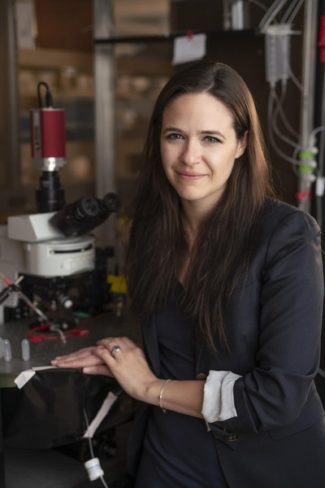
VCAR, led by , an associate professor of pharmacology who was previously associate director, will continue to advance understanding of the intricate mechanisms underlying the development of addiction and substance use disorder in the brain, provide community outreach to destigmatize addiction and develop new pharmaceutical strategies to treat addiction.听
鈥淭his addition underscores our dedication to transformative research and solving some of our nation鈥檚 most pressing challenges, including the devastating costs of substance abuse and addiction,鈥� Provost and Vice Chancellor for Academic Affairs C. Cybele Raver said. 鈥淯nder Professor Calipari鈥檚 leadership, VCAR will address those pressing scientific questions while also destigmatizing addiction through vital partnerships with community leaders and organizations.鈥�听
In addition to fundamental research in systems neuroscience, VCAR research is focused on addiction to alcohol, opioids and stimulants. Scientists also study addiction to food and general disorders of motivation. The goal of VCAR鈥檚 frontier research is to understand how the brain controls behavior to illuminate how it changes with addiction. This knowledge has the potential to bring society one step closer to treating and curing addiction.听
is ranked third in the nation for prescription drug abuse across demographics. In 2021, there were 鈥� in Tennessee, accounting for 80 percent of all drug overdose deaths in the state.鈥� Across the nation, the pandemic coincided with an鈥痠ncrease鈥痠n鈥痵ubstance use鈥痑nd death rates due to substances. In 2021, there were in the U.S. This was the highest number of deaths due to overdose on record and 51 percent higher than pre-pandemic totals. In 2022, more than people aged 12 or older had substance use disorder. This includes 29.5 million with alcohol use disorder, 27.2 million with drug use disorder and 8 million people who had both.听听
“Professor Calipari and her colleagues’ research is addressing one of the most difficult challenges of our time,” said Vanderbilt University Chancellor Daniel Diermeier. “Leveraging Vanderbilt’s culture of radical collaboration, we can elevate VCAR’s meaningful and impactful work to help people suffering from addiction across Tennessee, and throughout the U.S.”
An event to celebrate the center鈥檚 launch will take place in early 2024.听
鈥淲e are at a critical point when it comes to substance use disorder and addiction in the U.S., and still there are no FDA-approved treatments for some classes of SUD鈥攊ncluding stimulant use disorder,鈥� Calipari said. 鈥淭he Vanderbilt Center for Addiction Research aims to change this paradigm by leveraging our cutting-edge research with interdisciplinary collaboration. Further, training VCAR鈥檚 outstanding biomedical scholars is creating a new generation of investigators who will understand addiction as a disorder of the brain as they pursue their research in the years to come.鈥�听
VCAR Featured Research听
Brain control of motivation and reward听
- Exploring how the brain fundamentally learns and responds to motivation, to contrast with drug-induced dysfunction. The comparison offers clues to how the brains of people suffering from substance use disorder work.鈥�听
- Looking at how the neural circuits controlling hunger and motivate eating, which are closely linked to those that control addiction, develop. This work will shed light onto how semaglutides鈥攄rugs sold under the brand names Ozempic, Wegovy and Rybelsus鈥攔educe food and drug cravings.听
Stimulant use disorder 鈥�
- Identifying how repeated use of stimulants鈥攃ocaine, nicotine and methamphetamine鈥攃hange the brain and the body. This can shed light on new parts of the brain that can be targeted for novel treatments.听
Alcohol use disorder 鈥�
- Using computational tools and artificial intelligence approaches to define new targets and refining existing targets in the treatment of alcohol use disorder.鈥�听
Opioids 鈥�
- Exploring how opioids work within the body and how medication can provide pain relief without causing addiction.听听
Cutting-edge technical approaches 鈥�
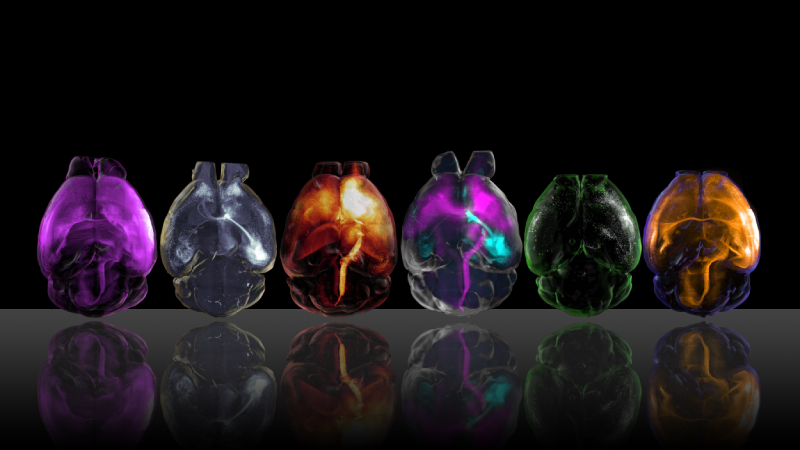
- Applying cutting-edge approaches to seeing the complexity of the brain and how it works.
鈥淓rin Calipari鈥檚 research combines deep insights with a clear commitment to untangling the complexities of addiction for more effective therapies. Vanderbilt University鈥檚 commitment to the Center for Addiction Research reinforces an essential institutional belief: that unraveling the complexities of addiction requires a steadfast commitment to basic science,鈥� said John Kuriyan, dean of the School of Medicine Basic Sciences. 鈥淏y delving into the core mechanisms that underlie addictive behaviors, we aim to unlock transformative insights that pave the way for innovative, effective treatments鈥攗ltimately offering hope and healing to those affected by addiction.鈥�听
About Erin Calipari 鈥�听
Erin Calipari earned her Ph.D. in neuroscience from Wake Forest University School of Medicine in 2013. There, she studied how self-administered drugs altered dopaminergic function to drive addictive behaviors. She then went on to complete her postdoctoral training at Icahn School of Medicine at Mount Sinai, where she used circuit probing techniques to understand the temporally specific neural signals that underlie motivation and reward learning.鈥疭he is an associate professor of pharmacology at Vanderbilt University School of Medicine Basic Sciences. Calipari鈥檚 current research is to understand how drug use changes circuits in the brain the control motivation to give rise to the maladaptive behaviors associated with substance use disorders.鈥��听
Research centers such as this are the impetus behind Vanderbilt鈥檚 campaign鈥攁 $3.2 billion comprehensive campaign, the most ambitious in university history. By investing in research, discovery and creative expression, visionary philanthropists will catalyze vital work across our labs, archives and studios. Learn more at鈥�.鈥�听