Health And Medicine
-
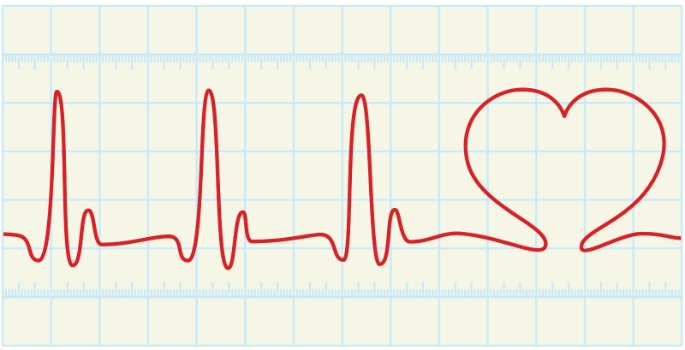
Study points to personal treatment for atrial fibrillation
Individuals with atrial fibrillation who have a particular genetic variant respond better to rate control therapy. Read MoreDec 6, 2011
-

Study finds more young people becoming nurses
Nursing shortage eased by 62 percent increase in young nurses over past decade. Read MoreDec 6, 2011
-

Ecstasy drug produces lasting toxicity in the brain
Recreational use of the "rave" drug Ecstasy is associated with chronic changes in the human brain. Read MoreDec 6, 2011
-
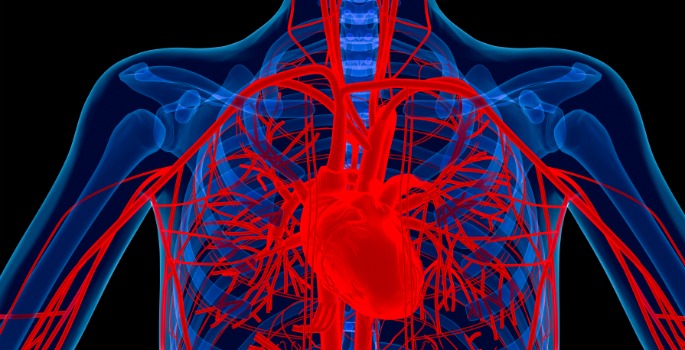
Drug target for deadly heart infection
Structural biology studies of a bacterial protein suggest a new target for treating life-threatening heart infection. Read MoreDec 1, 2011
-

Pathway to colon cancer progression
Molecular players involved in colon cancer progression could provide new biomarkers to indicate invasiveness and prognosis. Read MoreDec 1, 2011
-

Autoimmune drugs don鈥檛 boost infection risk: study
A Vanderbilt study shows that a class of drugs used to treat autoimmune diseases does not increase the chance of hospitalization for serious infection. Read MoreNov 18, 2011
-

Exercise fights fatty liver
(iStock) Fatty liver, a reversible condition of fat accumulation in liver cells, can result from excessive alcohol consumption, obesity, type 2 diabetes, or metabolic disorders. Exercise can reverse this process, but the mechanisms underlying this effect are not clear. Because exercise is known to stimulate the action of glucagon (a… Read MoreNov 18, 2011
-

Skeletal defects in genetic disorder
A new mouse model provides a tool for testing novel therapeutic approaches for neurofibromatosis. Read MoreNov 18, 2011
-

Estrogen treatments increase gray matter in brain
Short-term hormone replacement therapy offers potential benefit for cognitive functioning. Read MoreNov 18, 2011
-

Alcoholics鈥� 鈥榠njured brains鈥� work harder to complete simple tasks
Alcoholic brains must work harder to complete simple tasks. Read MoreNov 15, 2011
-

Averting a future oncologist shortage
Providing increased mentorship, research opportunities and a nurturing, intellectual environment during fellowship training may help reduce a projected shortage of academic hematologists and oncologists. Read MoreNov 11, 2011
-
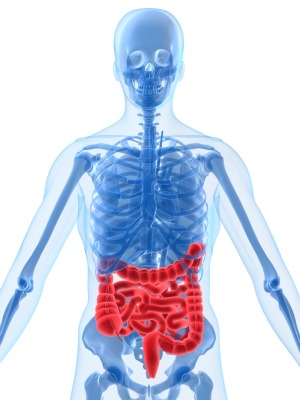
Balancing act in the gut
Vanderbilt researchers have identified an antigen important to balancing the immune response to bacteria in the gut. Read MoreNov 11, 2011
-

Project seeks to apply gene testing to drug prescribing
The U.S. Centers for Disease Control and Prevention has awarded Vanderbilt researchers a two-year, $1 million grant to Vanderbilt to develop a model for applying genomic testing to drug prescribing in 鈥渞eal-world鈥� settings. Read MoreNov 11, 2011
-

Breastfeeding problems can be linked to a tied tongue
A simple procedure can correct 鈥榯ongue-tie,鈥� a commonly missed condition that could prevent newborns from breastfeeding properly. Read MoreNov 10, 2011
-

Let there be light and melatonin
Light and the hormone melatonin may play important roles in the developing brain. Read MoreNov 4, 2011
-

Trauma program鈥檚 infection-fighting efforts show results
Implementation of antibiotic stewardship tactics as part of infection reduction campaigns sees significant results. Read MoreNov 4, 2011
-

VUCast 大象传媒appcast: Vanderbilt on “Grey鈥檚 Anatomy”
This Week on VUCast, Vanderbilt鈥檚 weekly newscast聽 highlighting聽 research, experts, students, sports and everything Vanderbilt: A Vanderbilt doctor鈥檚 amazing surgery lands on “Grey鈥檚 Anatomy” Scientists create a breakthrough bug repellant A Vandy minister鈥檚 actions honored by the White House [vucastblurb] … Read MoreNov 4, 2011
-

Vanderbilt study finds no heart risk in ADHD medications
Attention Deficit Hyperactivity Disorder (ADHD) medications do not increase the risk for heart disease or heart attack in children and young adults, according to a Vanderbilt study of 1.2 million patients taking drugs including Ritalin, Adderall, Concerta and Strattera between 1998 and 2005. Read MoreNov 2, 2011
-
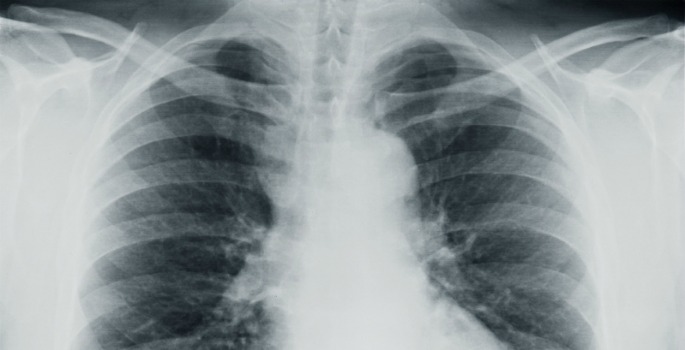
Lung disorder drug regimen found harmful
Longtime treatment for IPF ineffective and even dangerous. Read MoreOct 31, 2011
-
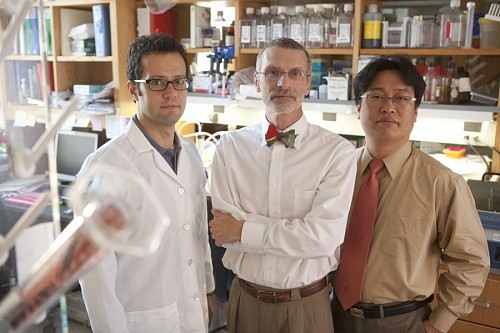
Protein family key to aging linked to suppressing tumors
The list of aging-associated proteins known to be involved in cancer is growing longer, according to research by investigators at Vanderbilt-Ingram Cancer Center and the National Institutes of Health. Read MoreOct 28, 2011